

Close Menu
    Facebook X (Twitter) Instagram
    Trending
    • Complete Guide to Avoid Roundup Settlement Scams
    • Understanding New Jersey’s Comparative Negligence Law
    • Everyday legal support that helps people stay confident long term
    • Navigating Probate and Trust Litigation: Protecting Your Interests
    • Guide to E2 visa application process for US investors
    • What Is a Nexus Letter? A Clear, Practical Explanation
    • Hit-and-Run Accidents in Anaheim: Legal Options for Victims
    • Best Divorce Attorney Options in Michigan for Complex Cases
    Blank E Law
    • Legal
    • Tax Law
    • Property
    • Law
    • Family Law
    Blank E Law
    Home»Tax Law»VAT and Sales Tax Laws in Different Jurisdictions
    Tax Law

    VAT and Sales Tax Laws in Different Jurisdictions

    Keith HaynesBy Keith HaynesMarch 4, 2023Updated:December 14, 2023No Comments3 Mins Read
    Facebook Twitter Pinterest LinkedIn Tumblr Email
    Sales Tax Laws
    Share
    Facebook Twitter LinkedIn Pinterest Email

    In the world of taxation, Value Added Tax (VAT) and Sales Tax are two commonly implemented systems that governments use to collect revenue. While both taxes are levied on the sale of goods and services, they differ in their structure, administration, and the jurisdictions where they are applied.

    Value Added Tax (VAT)
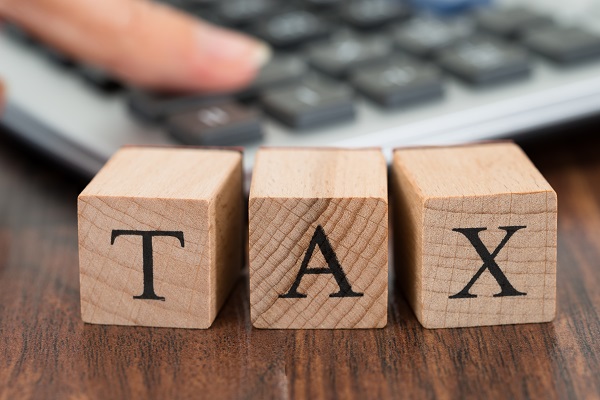
    Value Added Tax

    VAT is a consumption-based tax that is generally applied in many countries around the world. It is a multi-stage tax that is levied on each stage of the supply chain, from the production of goods to their final sale to the end consumer. The tax is calculated based on the value added at each stage of production or distribution.

    One of the key features of VAT is that it is a tax on the value added to a product, rather than being a tax on the final price of the product. This means that businesses can claim back the VAT they pay on their inputs, reducing the overall tax burden.

    VAT rates vary across different jurisdictions, typically ranging from 5% to 25%. Some countries have multiple VAT rates, with different goods and services being subject to different rates. Additionally, some jurisdictions may have exemptions or reduced rates for certain essential goods or services.

    Sales Tax

    Sales Tax, on the other hand, is a tax imposed on the final sale of goods and services to the end consumer. Unlike VAT, Sales Tax is typically a single-stage tax that is only levied once, at the point of sale. It is calculated as a percentage of the final sales price of the goods or services.

    Unlike VAT, Sales Tax is not typically recoverable by businesses. It is the responsibility of the seller to collect the tax from the buyer and remit it to the government. Sales Tax rates can vary significantly across jurisdictions, ranging from 0% to as high as 10% or more.

    Comparison and Differences

    While both VAT and Sales Tax serve the purpose of generating revenue for governments, there are some key differences between the two systems:

    • VAT is a multi-stage tax, while Sales Tax is typically a single-stage tax.
    • VAT is calculated based on the value added at each stage of production or distribution, while Sales Tax is calculated based on the final sales price.
    • VAT is recoverable by businesses, allowing them to offset the tax paid on inputs, while Sales Tax is typically not recoverable.
    • VAT rates tend to be higher compared to Sales Tax rates, but this can vary depending on the jurisdiction.
    • Some countries may have both VAT and Sales Tax systems in place, with different goods and services being subject to each tax.

    VAT and Sales Tax are two distinct taxation systems used in different jurisdictions to collect revenue from the sale of goods and services. While VAT is a multi-stage tax applied at each stage of production or distribution, Sales Tax is a single-stage tax imposed on the final sale. Understanding the differences between these systems is crucial for businesses and individuals operating in different jurisdictions to comply with the tax regulations and obligations.

    Global Sales Tax Tax Legislation VAT Systems
    Share. Facebook Twitter Pinterest LinkedIn Tumblr Email
    Keith Haynes
    • Website

    Related Posts

    The Global Battle Against International Tax Evasion and Avoidance Laws

    July 20, 2023

    Cryptocurrency and Tax Law Challenges

    April 30, 2023

    Understanding Transfer Pricing and its Impact on Multinational Corporations

    March 13, 2023

    Comments are closed.

    Categories
    • Family Law
    • Featured
    • Law
    • Legal
    • Property
    • Security
    • Tax Law
    Recent Post

    Complete Guide to Avoid Roundup Settlement Scams

    January 11, 2026

    Understanding New Jersey’s Comparative Negligence Law

    January 11, 2026

    Everyday legal support that helps people stay confident long term

    January 9, 2026

    Navigating Probate and Trust Litigation: Protecting Your Interests

    January 9, 2026

    Guide to E2 visa application process for US investors

    January 6, 2026
    Latest Post

    Complete Guide to Avoid Roundup Settlement Scams

    January 11, 2026

    Understanding New Jersey’s Comparative Negligence Law

    January 11, 2026

    Everyday legal support that helps people stay confident long term

    January 9, 2026

    Navigating Probate and Trust Litigation: Protecting Your Interests

    January 9, 2026
    Calendar
    January 2026
    M T W T F S S
     1234
    567891011
    12131415161718
    19202122232425
    262728293031  
    « Dec    
    Trending Post
    Law

    Complete Guide to Avoid Roundup Settlement Scams

    By Keith HaynesJanuary 11, 20260

    As the Roundup lawsuit and related conclusions have grown, so has the risk of scams…

    Understanding New Jersey’s Comparative Negligence Law

    January 11, 2026

    Everyday legal support that helps people stay confident long term

    January 9, 2026
    • Talk to Us
    • Meet the Team
    © 2026 blankelaw.com. Designed by blankelaw.com.

    Type above and press Enter to search. Press Esc to cancel.