

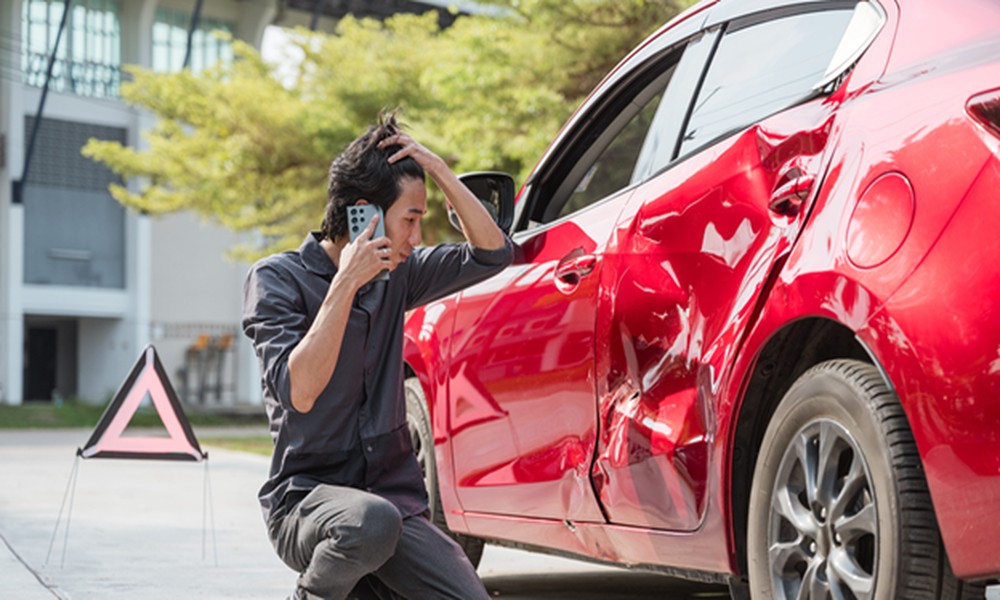
Getting into a car accident is always stressful, but when the vehicle involved is a rideshare car, the situation gets complicated quickly. Instead of a straightforward insurance claim between two private drivers, you suddenly enter a legal landscape involving corporate insurance policies, gig-economy regulations, and unique California traffic laws.
Whether you were a passenger in the rideshare vehicle, a driver for the service, or a motorist in another car hit by a rideshare driver, the actions you take immediately following the crash will heavily dictate your ability to recover damages. To protect your health and your financial future, make sure you avoid these five critical blunders.
1. Failing to Screenshot the App Immediately
In a standard car accident, the time of the crash matters, but in a rideshare accident, the exact minute of the impact changes everything. Corporate insurance coverage operates on a “period” system.
- Period 1: The driver is logged into the app but hasn’t accepted a ride yet (lower coverage limits).
- Period 2: The driver has accepted a match and is en route to pick up a passenger (higher coverage limits).
- Period 3: A passenger is physically inside the vehicle (maximum coverage limits, often up to 1 million dollars).
If you are a passenger, screenshot your active trip receipt immediately before closing the app. If you are the rideshare driver, screenshot your driver portal showing your active status. If you do not preserve this digital footprint, corporate claims adjusters may try to argue the driver was offline or between rides to minimize their financial liability.
2. Forgetting to Document the Scene Independently
It is a common mistake to assume the rideshare driver or the police will handle all the documentation. However, police reports can take weeks to finalize, and they sometimes contain errors. Furthermore, the rideshare driver’s first loyalty upon calling their company’s support line will be to protect themselves.
Take control of the narrative by taking your own photos and videos. Capture the damage to all vehicles involved, the license plates, street signs, traffic signals, skid marks, and weather conditions. If there are witnesses nearby-such as pedestrians or drivers who pulled over-ask for their names and phone numbers. Their objective third-party testimony could be the vital piece of evidence that swings a disputed liability claim in your favor.
3. Neglecting to Report the Crash Within the App
Many victims fail to formally report the accident through the app’s internal help menu because they are overwhelmed at the scene, or because a driver coaxes them into handling it “under the table.” This is a massive mistake.
Failing to report the crash through the app breaks the official chain of custody regarding the event. You must notify the platform directly through their “I was in an accident” feature as soon as it is safe to do so. This forces the corporation to open an internal incident file, preserves the data trail of your ride, and triggers their secondary insurance coverage protocols.
4. Accepting a Fast, Lowball Settlement Offer
Rideshare insurance companies are notorious for reaching out to injured victims incredibly fast. You might receive a call from an insurance adjuster within 48 hours of the accident offering a quick cash payout to cover your immediate medical costs or vehicle repairs.
While a fast check is tempting, accepting it is dangerous. These initial offers are almost always lowball figures designed to make you sign a liability waiver. Once you sign that waiver, you give up your right to sue or demand more money. Many injuries, such as whiplash, spinal damage, or concussion symptoms, do not fully manifest until weeks after the adrenaline of the crash wears off. Wait until you know the true scope of your medical needs before agreeing to any payout.
5. Waiting Too Long to Speak with a Legal Professional
Navigating the multi-layered insurance policies of giant transportation networks on your own is an uphill battle. Trying to deal with their aggressive legal teams without guidance can easily result in your claim being denied entirely.
To give yourself the best chance at a full financial recovery, you should consult an experienced accident lawyer LA as soon as possible. A qualified attorney understands how to navigate California’s comparative fault laws, handle corporate pushback, and fight for the compensation you deserve for medical bills, lost wages, and pain and suffering.
By avoiding these five common blunders and acting quickly to protect your rights, you can navigate the complex aftermath of a California rideshare accident with confidence.
