

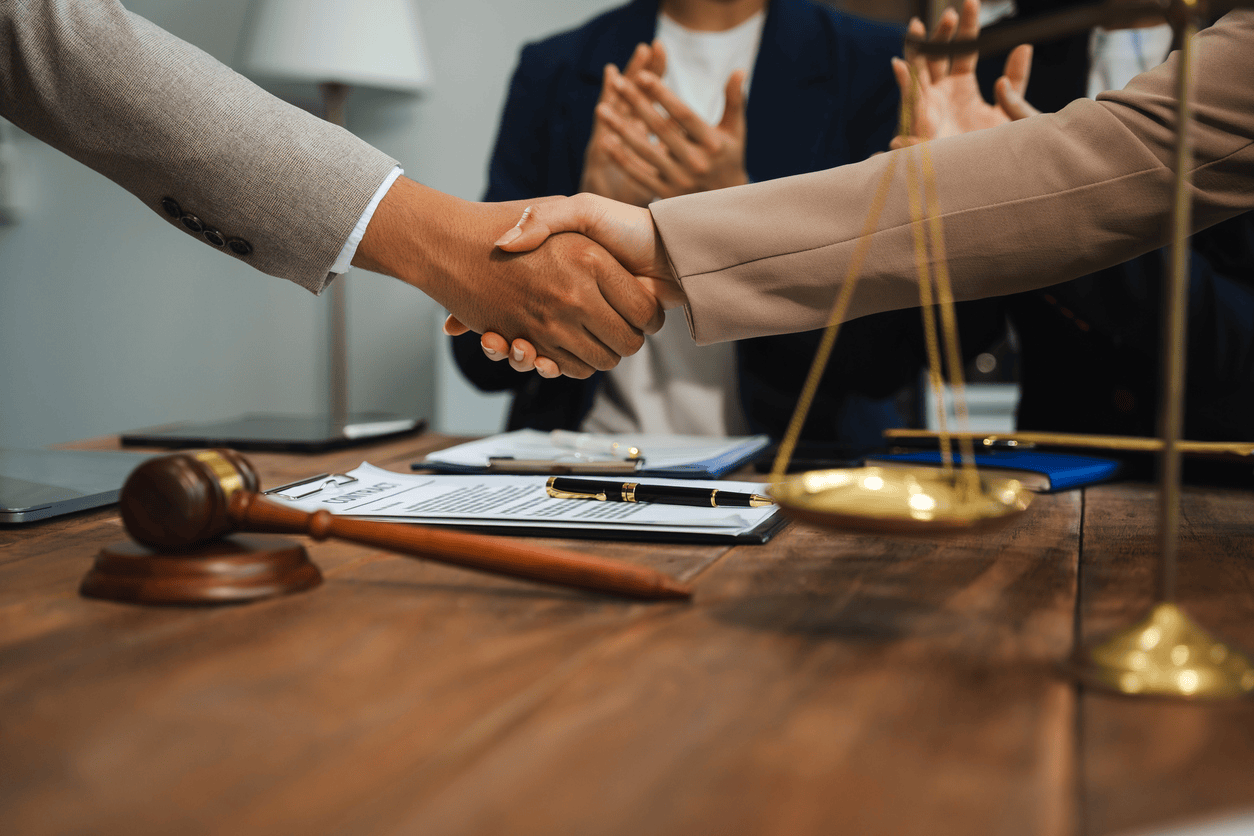
Many co owners assume a partition action Florida courts will hear must end in a full trial, but in practice a significant number of these cases resolve through mediation before ever reaching that point. Understanding what actually happens during mediation can help both parties approach the process with realistic expectations and a genuine chance at resolution.
Why Courts Often Require Mediation First
Many Florida counties require parties in a partition action in Florida to attempt mediation before the case proceeds to trial, recognizing that a neutral third party can sometimes help co owners reach agreement where direct negotiation has failed. This requirement reflects a broader preference in the court system for resolving property disputes without the time and expense of a full trial.
Even when not strictly required, attorneys frequently recommend mediation anyway, since it offers both sides a genuine opportunity to control the outcome rather than leaving the final decision entirely in a judge’s hands.
How Much Mediation Typically Costs Both Sides
Mediation fees are usually split between the parties and tend to run far lower than the combined cost of preparing for and conducting a full trial, making it an appealing option purely from a financial standpoint. Court appointed mediators in some counties offer reduced rates for partition cases specifically, which can make this step even more accessible for co owners trying to keep overall costs manageable.
Weighing this modest upfront cost against the substantial expense of trial preparation, including expert witnesses and extended attorney hours, makes mediation an easy financial decision for most parties even before considering its other benefits.
How a Typical Mediation Session Unfolds
A mediator, usually an attorney or retired judge with relevant experience, facilitates discussion between the parties, often meeting separately with each side to understand their position and explore what outcomes might be acceptable. This shuttle diplomacy approach allows for more candid conversation than direct negotiation between parties who may have significant personal conflict.
Sessions typically last several hours, and while some cases settle in a single meeting, others require multiple sessions before both sides find common ground on issues like sale price, timeline, or division of proceeds.
What Kinds of Outcomes Mediation Can Produce
Mediation can result in a wide range of resolutions, from one party agreeing to buy out the other at an agreed price, to both parties agreeing on specific terms for listing and selling the property jointly. Unlike a trial verdict, mediation outcomes are negotiated agreements that both parties actively shape rather than a decision imposed from outside.
This flexibility often produces more creative solutions than a court could order, since the parties themselves understand their own priorities and constraints better than a judge reviewing the case from the outside.
The Role Attorneys Play During Mediation
While mediation involves direct conversation between parties, attorneys typically remain present throughout to advise their clients and help evaluate whether a proposed settlement genuinely serves their interests. A good attorney will not pressure a client into accepting an unfair deal simply to avoid trial, but will help distinguish between a reasonable compromise and one that gives up too much.

Having legal counsel present also ensures any agreement reached gets properly documented in a way that will hold up if either party later tries to back out of the terms discussed during the session.
What Happens if Mediation Does Not Succeed
Not every mediation results in a full settlement, and it is entirely normal for parties to resolve some issues while leaving others for the judge to decide at trial. Even partial progress during mediation can narrow the scope of what actually needs to be litigated, which still saves time and expense compared to fighting over every single issue in court.
Cases that do not settle at mediation typically proceed toward trial preparation, though many attorneys note that the conversations held during an unsuccessful mediation session sometimes lay groundwork for a later settlement once both sides have had more time to reflect.
Preparing Yourself for a Productive Session
Coming into mediation with a clear sense of your priorities, and genuine willingness to compromise on less important points, significantly increases the odds of reaching a workable agreement. Reviewing your financial documentation beforehand, and discussing realistic settlement ranges with your attorney, helps you negotiate from an informed position rather than reacting emotionally in the moment.
Approaching mediation with an open mind, rather than treating it as a formality before an inevitable trial, gives every Florida partition action its best chance at a resolution that avoids the cost and uncertainty of a courtroom battle.
