

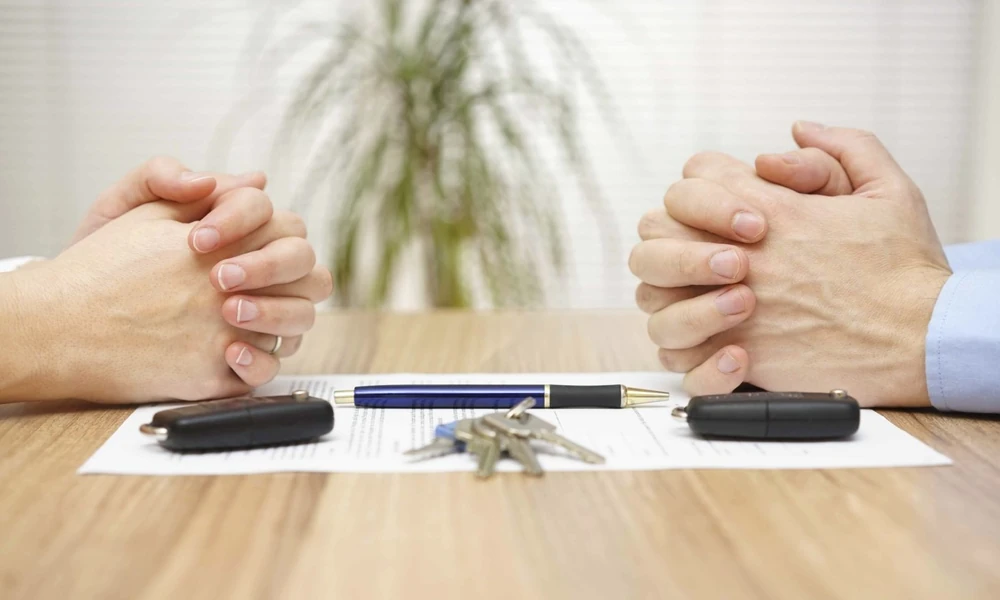
Every year, thousands of Utah couples file for divorce without stepping into a courtroom. Their cases move through the system in weeks because they meet three specific conditions the state requires before a divorce can proceed without a trial. Qualifying for an uncontested divorce Utah that can proceed without a hearing depends on meeting residency requirements, establishing valid grounds, and reaching agreement on all required issues. If any one of these requirements is missing, the case may move onto a slower, more costly path.
What It Takes to Qualify
Utah law doesn’t create a separate case type called “uncontested divorce.” A filing qualifies for the streamlined process only when it clears three tests at once.
Meeting Utah’s Residency Rule
Utah district courts won’t accept a divorce petition unless the case satisfies the state’s jurisdiction rule under Utah Code § 81-4-402. There are three ways to meet it:
- One spouse has lived in Utah, and specifically in the county where the case is filed, for at least 90 days before filing.
- One spouse is an active-duty service member stationed in Utah for at least three months.
- Neither of the above applies, but both spouses agree in writing to let a Utah court decide the case.
Couples who split time between Utah and another state sometimes assume either spouse’s home state works. The court only looks at where the petition is filed.
Choosing Grounds the Court Will Accept
Every petitioner has to state a legal reason for the divorce. About 95% of filings use irreconcilable differences, Utah’s no-fault ground under Utah Code § 81-4-405, which tells the court the marriage cannot be repaired. Fault-based grounds are also available:
- Adultery committed after the marriage.
- Willful desertion for more than one year.
- Habitual drunkenness or willful neglect to provide life’s necessities.
- Conviction of a felony.
- Cruel treatment causing bodily injury or serious mental distress.
Any of these can support a filing, but proving them may require evidence, which can move the case beyond the uncontested process.
Reaching Agreement on Every Open Issue
Residency and grounds establish whether a couple can file. To keep the divorce uncontested, both spouses must also agree on every issue that needs to be resolved. That includes:
- Division of property and debt.
- Custody and parenting time, if children are involved.
- Child support.
- Alimony, if either spouse is requesting it.
A disputed item, such as who keeps the house or how holidays get split, can move the case into contested proceedings.
What Happens When One Piece Is Missing
Falling short on any of the three requirements doesn’t end a divorce case. It changes the road the case has to take.
Residency Isn’t Met
Filing a petition before the 90-day mark can result in dismissal, requiring the petitioner to wait until the residency requirement is met before filing again. Time spent living in a neighboring state does not count toward Utah’s residency requirement.
The Grounds Are Disputed
If a spouse contests the stated grounds, the court has to review evidence before accepting them, adding months to a timeline that would otherwise move in weeks.
An Issue Stays Unresolved
Even one unresolved issue, such as a custody arrangement the spouses cannot agree on, can move the case into contested divorce proceedings. That triggers Utah’s discovery process and, in many counties, mandatory mediation before a judge will schedule a trial date. The 30-day waiting period between filing and a signed decree still applies either way, so any additional steps add time to a timeline that was already underway.
Turning a Qualifying Case Into a Finished Filing
Meeting the legal requirements is only half the process. Utah courts still expect a full set of accurately prepared documents, including the petition, financial disclosures, a signed stipulation, and a proposed decree, before the judge can approve the divorce. For couples who clear the residency, grounds, and agreement tests, SimpleEnding’s Utah divorce document-prep service helps eligible couples turn an uncontested divorce Utah case into complete, court-ready paperwork without the expense of hiring a full-service attorney.
