

When you’re injured in a car accident, it may seem obvious who was at fault — perhaps you were rear-ended or the other driver ran a red light. But in Virginia, it’s not enough to know what happened — you must be able to prove it. And the burden of proof lies squarely on you, the injured party.
At Burnett & Williams, our experienced attorneys, Kimberly Raab and C. James Williams III, have helped countless Virginians build strong, evidence-based cases that maximize compensation. Below, we explain the types of evidence that strengthen your claim, how to gather it, and why it’s essential for your case’s success.
Why Evidence Matters in Virginia
Virginia follows a contributory negligence rule — one of the strictest in the country. Under this rule, if you are even 1% at fault, you may be completely barred from recovering damages (see Baskett v. Banks, Virginia Supreme Court). This makes gathering solid, compelling evidence absolutely essential.
To succeed in a personal injury case, you must prove:
- The other driver was negligent
- Their negligence directly caused your injuries
- The extent of your damages
Key Types of Evidence That Support Your Case
To build a persuasive case, we recommend collecting the following critical forms of evidence:
1. Police Report
Under Virginia Code §46.2-894, accidents involving injury, death, or property damage must be reported to authorities. The police report typically includes:
- Observations from the responding officer
- Statements from involved parties and witnesses
- Traffic citations issued
- Preliminary determination of fault
This report often plays a vital role in both insurance negotiations and court proceedings.
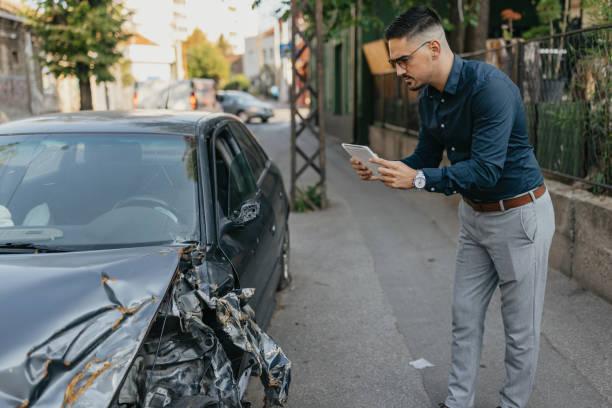
2. Photos and Video Footage
Visual documentation can recreate the scene for insurers and juries. Capture:
- All angles of vehicle damage
- Road conditions, debris, and skid marks
- Traffic signs or signals
- Any visible injuries
Dashcam footage or nearby surveillance video can also provide invaluable clarity about what really happened.
3. Medical Records
Medical documentation is the cornerstone of injury claims. Maintain records of:
- Emergency room visits and hospital stays
- Diagnostic tests (X-rays, MRIs, etc.)
- Physician notes and treatment plans
- Physical therapy or rehab progress
These records help connect your injuries directly to the crash and establish their severity.
4. Witness Statements
Unbiased, third-party witnesses can add significant credibility to your version of events. If possible, collect:
- Full names
- Phone numbers or email addresses
- A brief summary of their observations
5. Expert Testimony
In more complex cases, we consult with expert witnesses such as:
- Medical specialists to explain long-term effects
- Economists to calculate future financial losses
At Burnett & Williams, we work with respected experts to ensure your case is supported by professional analysis.
Example Case: Daniel’s Story
Daniel, a small business owner in Richmond, was seriously injured when another driver ran a red light. That driver insisted he had the green light.
When Daniel came to Burnett & Williams, Attorneys Raab and Williams:
- Secured traffic camera footage proving the other driver ran the red
- Obtained witness statements supporting Daniel’s version
- Compiled comprehensive medical records of Daniel’s shoulder injury
These efforts led to a settlement — despite the other driver’s denials.
How to Collect and Preserve Evidence
Here’s how to protect your claim from the very beginning:
Seek Medical Attention Promptly
Delays can make it harder to connect your injuries to the accident, giving insurers an excuse to reduce or deny your claim.
Take Photos Immediately
Scene conditions change fast — vehicles are moved, skid marks fade, and lighting changes. Early photos are crucial.
Keep a Pain Journal
Document your symptoms, treatments, missed workdays, and how your injuries affect daily life. This record can support your claim for non-economic damages like pain and suffering.
Hire Legal Counsel Quickly
We move fast to:
- Interview witnesses while their memories are fresh
- Send preservation letters to businesses that may have surveillance video
- Coordinate expert evaluations of vehicles and accident scenes
Why Delays Can Hurt Your Case
Waiting to act can result in lost evidence:
- ❌ Witnesses may forget critical details
- ❌ Video footage might be erased
- ❌ Physical evidence could disappear
- ❌ Medical records may be harder to obtain
That’s why we urge you to contact Burnett & Williams as soon as possible.
Frequently Asked Questions
Do I need to collect all this evidence myself?
No — while it helps to take photos or get witness info at the scene, our team handles a thorough investigation on your behalf.
What if I didn’t get any photos or witness names?
All is not lost. We can often uncover valuable evidence through other means, such as nearby cameras or expert analysis.
How long do I have to file a claim?
Virginia’s statute of limitations is two years from the date of the accident (Code of Virginia §8.01-243). But don’t delay — the sooner you act, the stronger your case will be.
Final Thoughts
A strong car accident claim isn’t just about what happened — it’s about what you can prove. Without clear, credible evidence, even the most obvious cases can fail.
At Burnett & Williams, Attorneys Kimberly Raab and C. James Williams III understand how to build powerful, evidence-based cases. Let our experienced team guide you through every step of the process — and fight to get the compensation you deserve.
Serving Clients Across Virginia
We proudly represent clients throughout the Commonwealth, with office locations in:
- Richmond
- Chesterfield
- Hopewell
Call us today at (804) 794-0080 or visit www.burnettwilliams.com to schedule your free consultation.
